Minerbaone
This is my long-short story about how I worked as a UI/UX Designer during the development process of the Minerbaone application, where I worked for Volantis Technology in collaboration with the Faculty of Mathematics and Natural Sciences at Gadjah Mada University, under the auspices of the Ministry of Energy and Mineral Resources (Kementerian ESDM).
Role
UI/UX Designer
Company
Kementerian ESDM
Services
UX Design, Wireframing, UI Design, Testing and Delivery
Year
2024
Project Overview
Minerbaone enables comprehensive collection, monitoring, and analysis of these crucial data points, empowering both the government and mining companies with insights to proactively manage activities and ensure adherence to industry regulations. This data-driven boosts efficiency, and strengthens the sustainability and success of the mining industry.

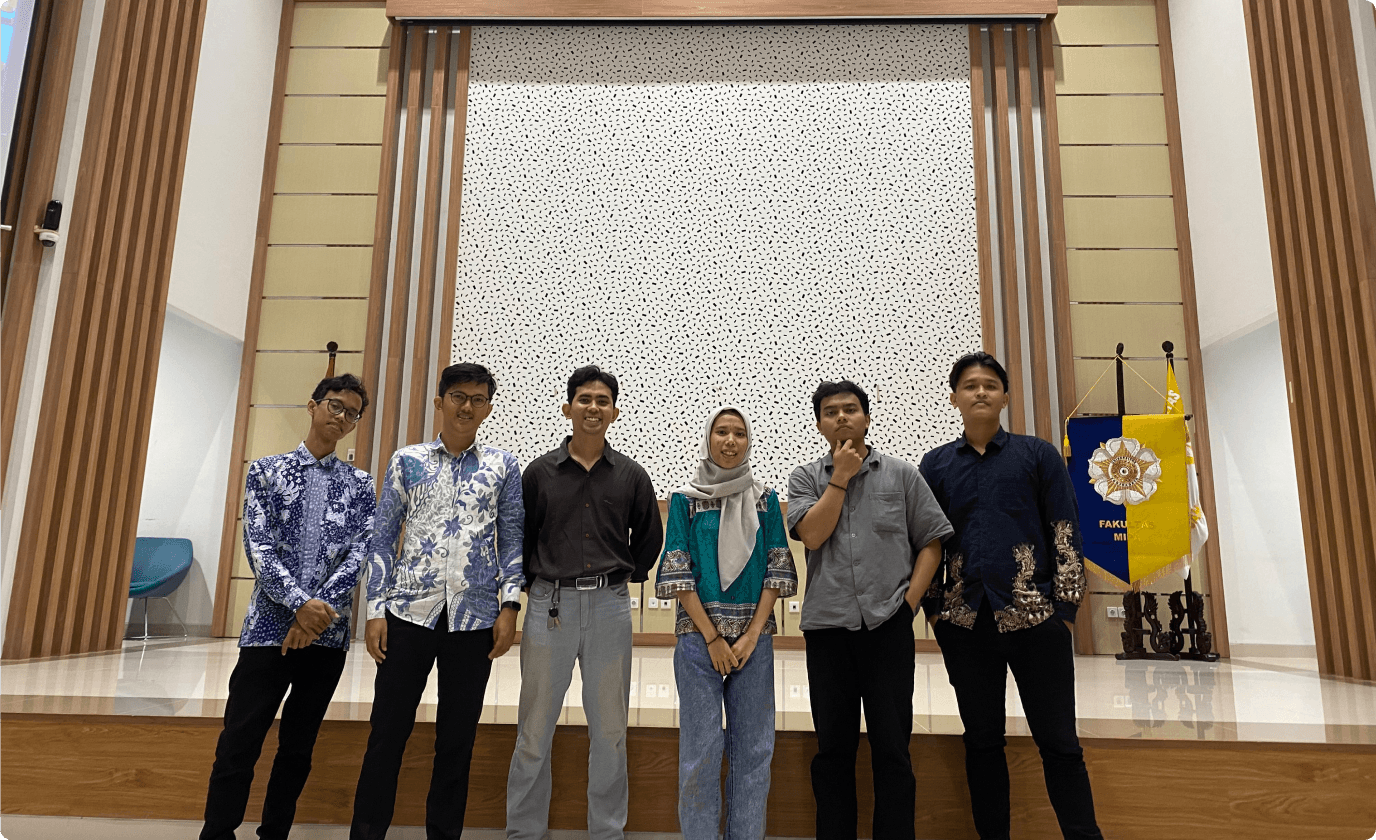
Meet the team
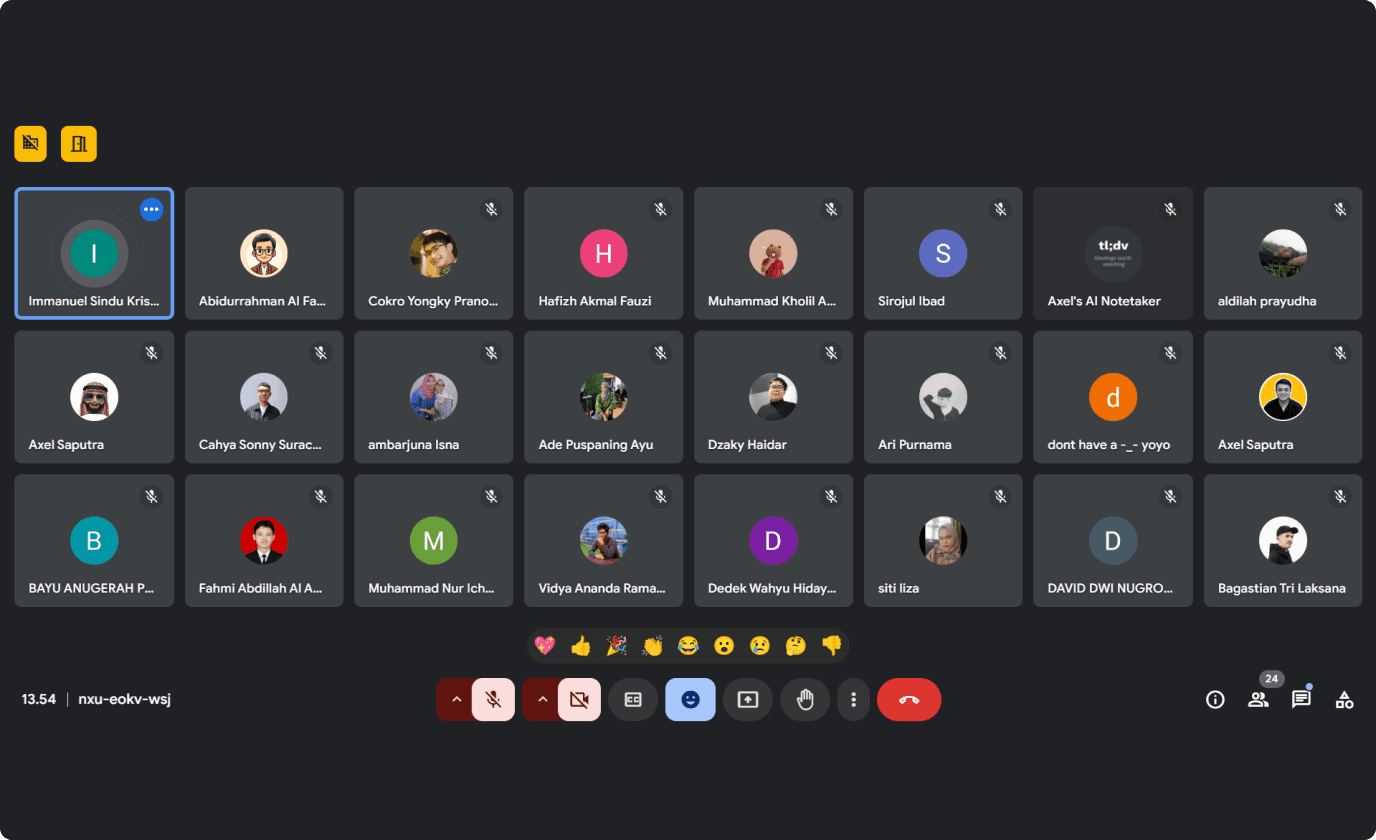
In the development process of Minerbaone, collaboration across the team is structured through both online meetings and scheduled offline gatherings to ensure effective communication and alignment within each sprint cycle. Product Manager (PM), Product Owner (PO), UI/UX Designer, Front-End Developer, and Back-End Developer work together closely to meet project milestones.
Requirement Gathering and Analysis
To gain a comprehensive understanding of the Minerbaone application workflow, an initial flowchart was created using Draw.io. This flowchart provides a visual representation of Minerbaone’s operational steps, outlining key processes such as planning, production operations, administration, and sales.
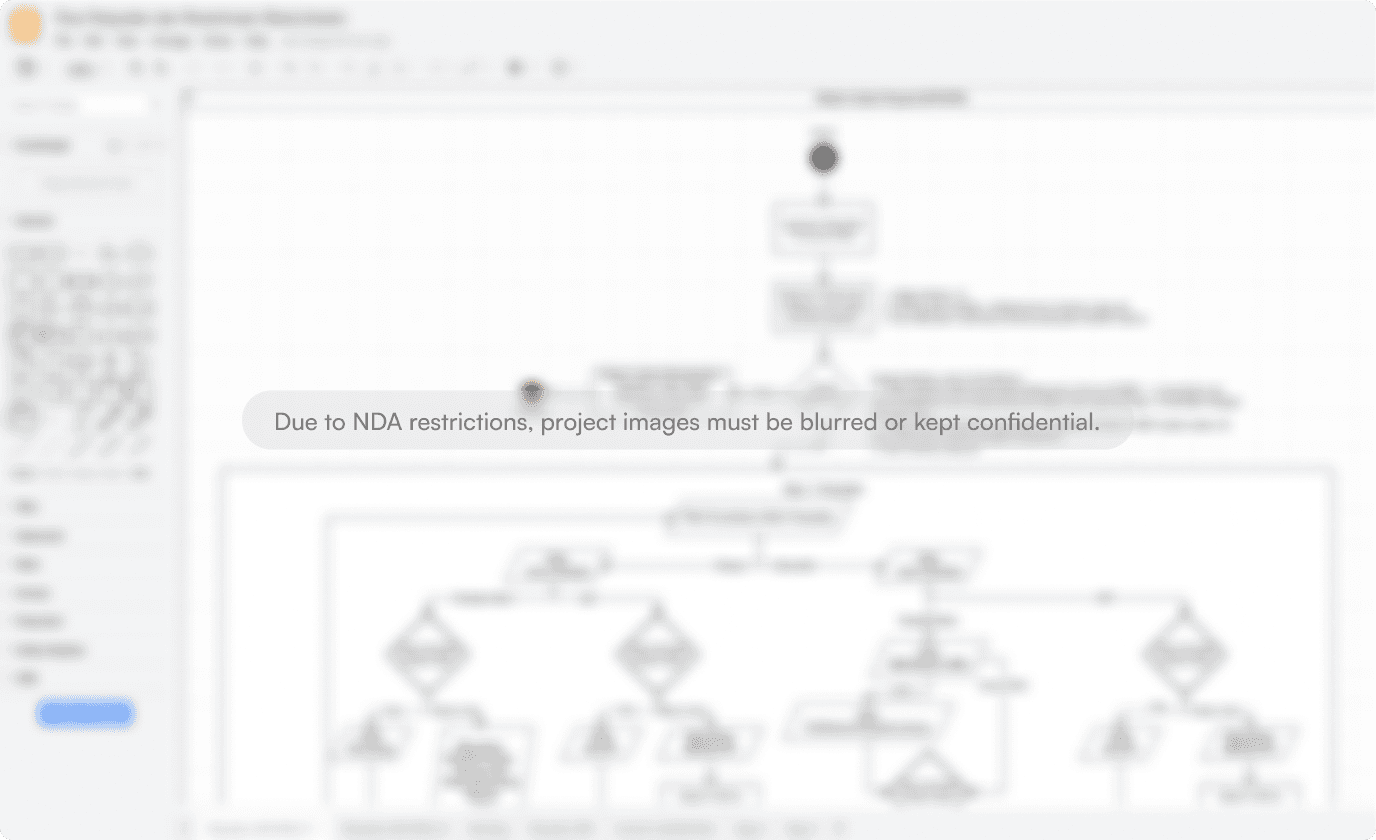
By mapping out each component, from user interactions to backend data processing, the flowchart allows stakeholders to clearly see how data flows through the system, where responsibilities lie, and how various modules interact. This foundational overview is essential for identifying optimization points, ensuring alignment with operational objectives, and simplifying the implementation process.
Ideation
During the ideation phase of the MinerbaOne application development, the first crucial step is designing an intuitive and engaging user interface (UI). The process starts with creating initial UI sketches that outline key elements and navigation flows. These sketches serve as a visual representation of fundamental ideas, allowing for the exploration of various design options before progressing further.
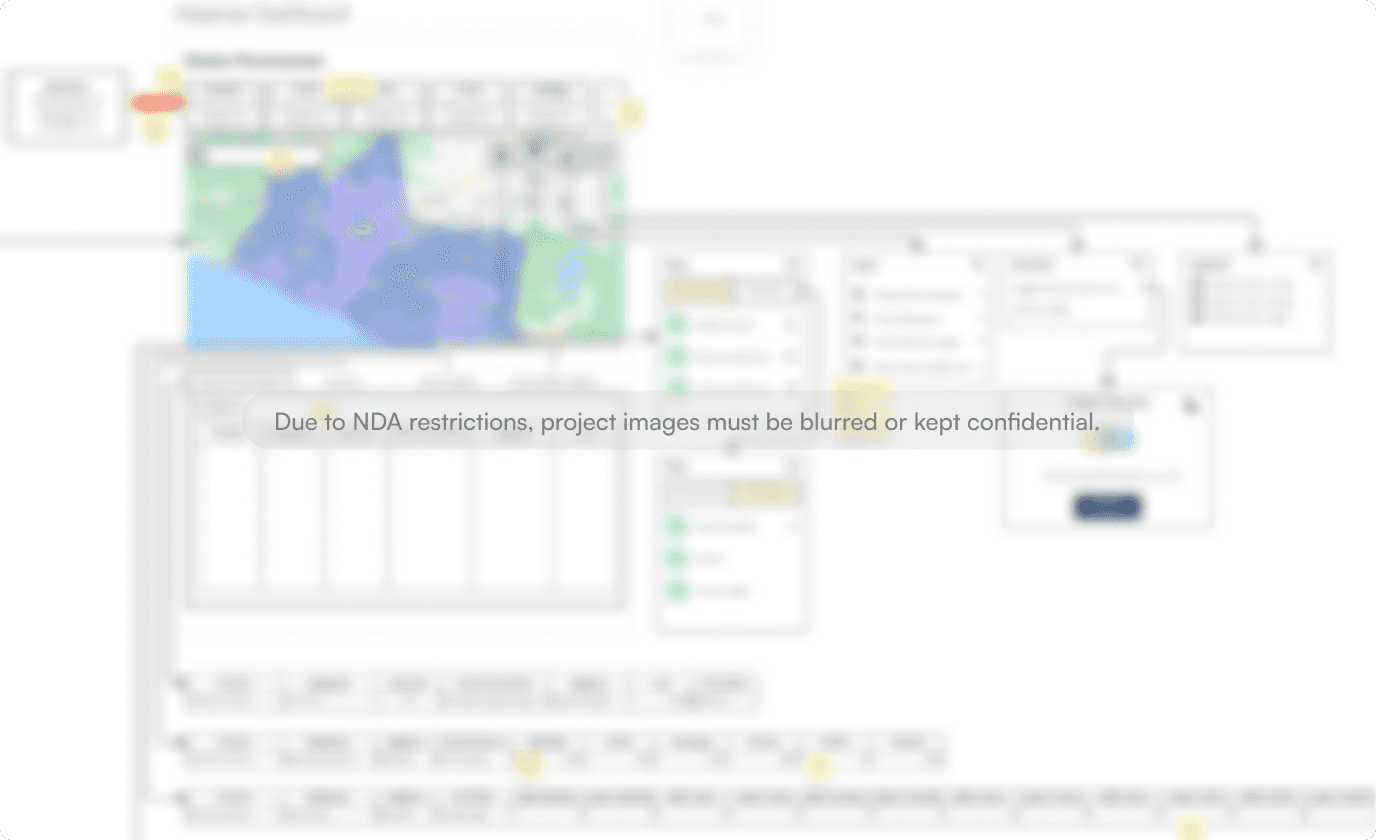
After knowing the specific user requirements and business objectives, the UI design process begins with conceptualizing the layout and interaction patterns. This phase focuses on creating a user-friendly interface that effectively communicates the application's functionality and guides users seamlessly through their tasks.
Design Execution
After understanding the specific user requirements and business objectives, the UI design execution begins in Figma, where the layout and interaction patterns are conceptualized. Throughout this phase, a design system is utilized to ensure consistency, focusing on creating a user-friendly interface that effectively communicates the application's functionality and guides users seamlessly through their tasks.
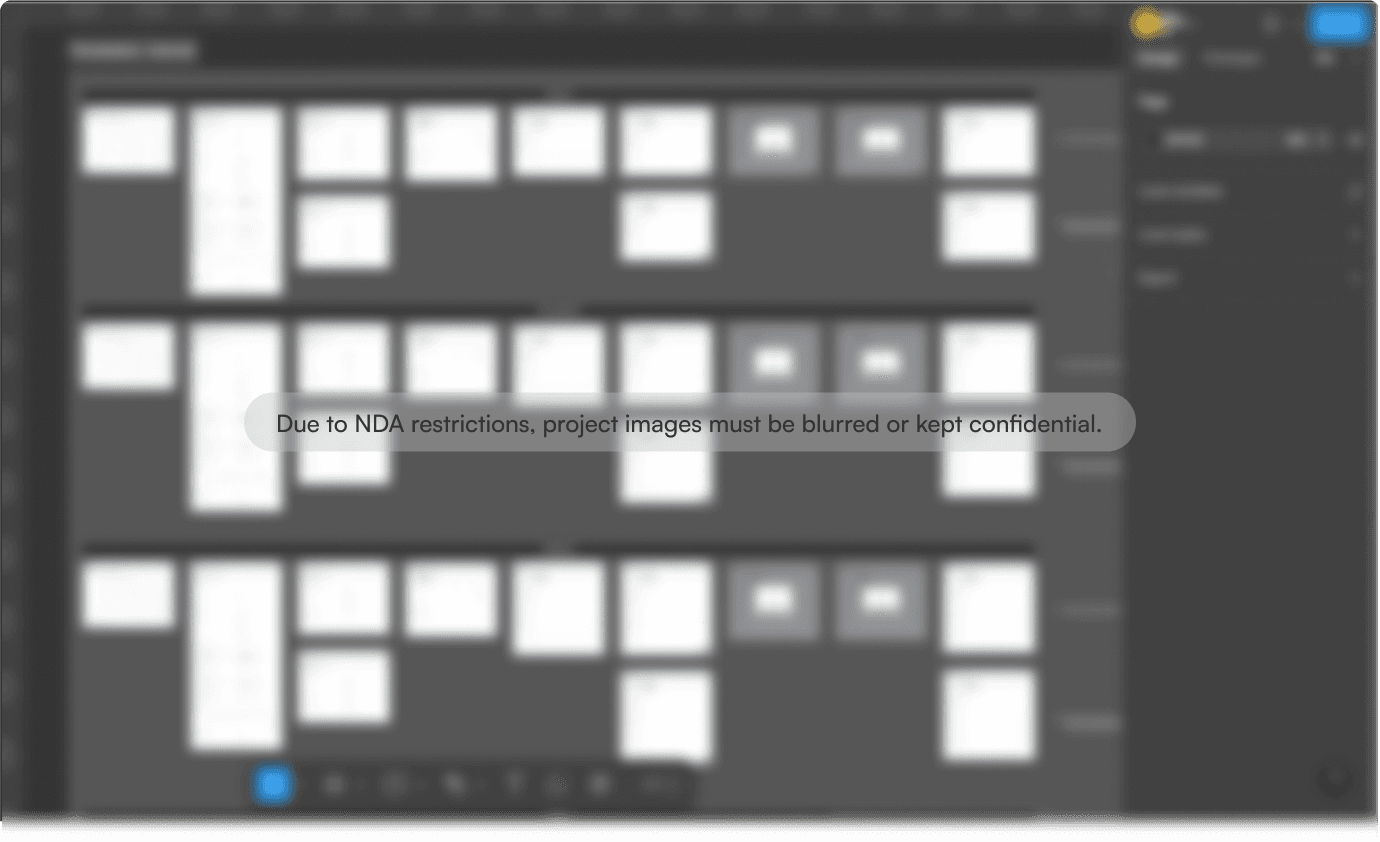
Key elements such as color schemes, typography, and iconography are carefully selected within the framework of the design system to ensure a visually appealing design that aligns with the brand identity. Collaborating closely with team members throughout this stage allows for ongoing feedback and adjustments, ensuring that the design meets both user needs and technical feasibility.
Prototyping
After finalizing the user interface (UI) design, the next critical step is developing a prototype that brings the UI to life. This prototype serves as a dynamic representation of the application, allowing stakeholders to interact with the design in a meaningful way. Using tools that facilitate rapid prototyping, the design elements are integrated into a functional model that simulates user interactions and workflows.
Collaboration with Front-End and Back-End
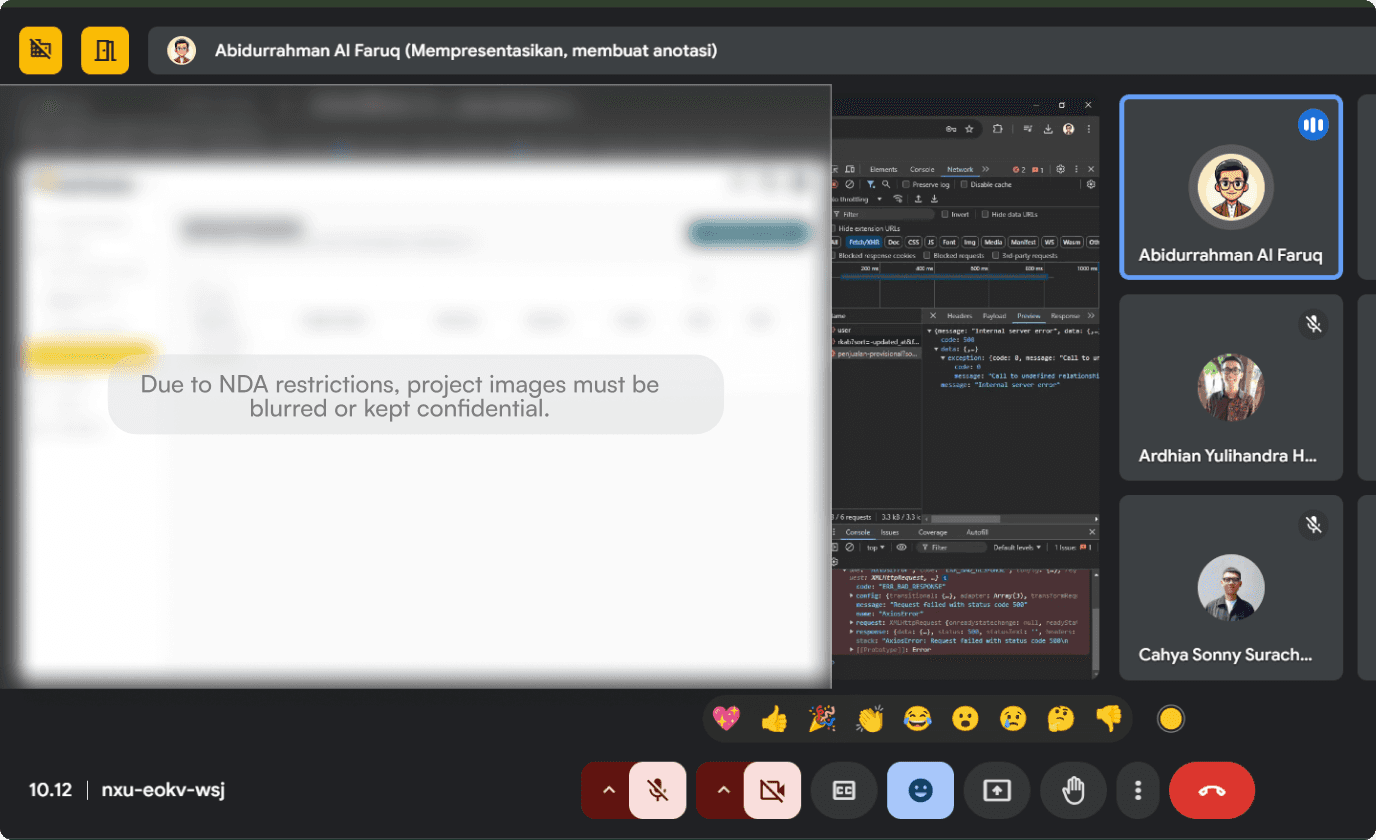
As a UI/UX Designer, I support both the front-end (FE) and back-end (BE) teams, ensuring that the user experience is prioritized throughout the development process. This collaboration is strengthened through regular online meetings for feedback and updates, as well as offline sessions for more in-depth discussions. By maintaining open communication, I help bridge the gap between teams, fostering a cohesive approach to building a user-centered application.
Showcasing Minerbaone's Features
The user demo serves as a pivotal opportunity to showcase the features and functionalities of the Minerbaone application to stakeholders and potential users. During this process, the team presents a guided walkthrough of the application, highlighting its user-friendly interface, key functionalities, and how it addresses the specific needs of the mining sector.
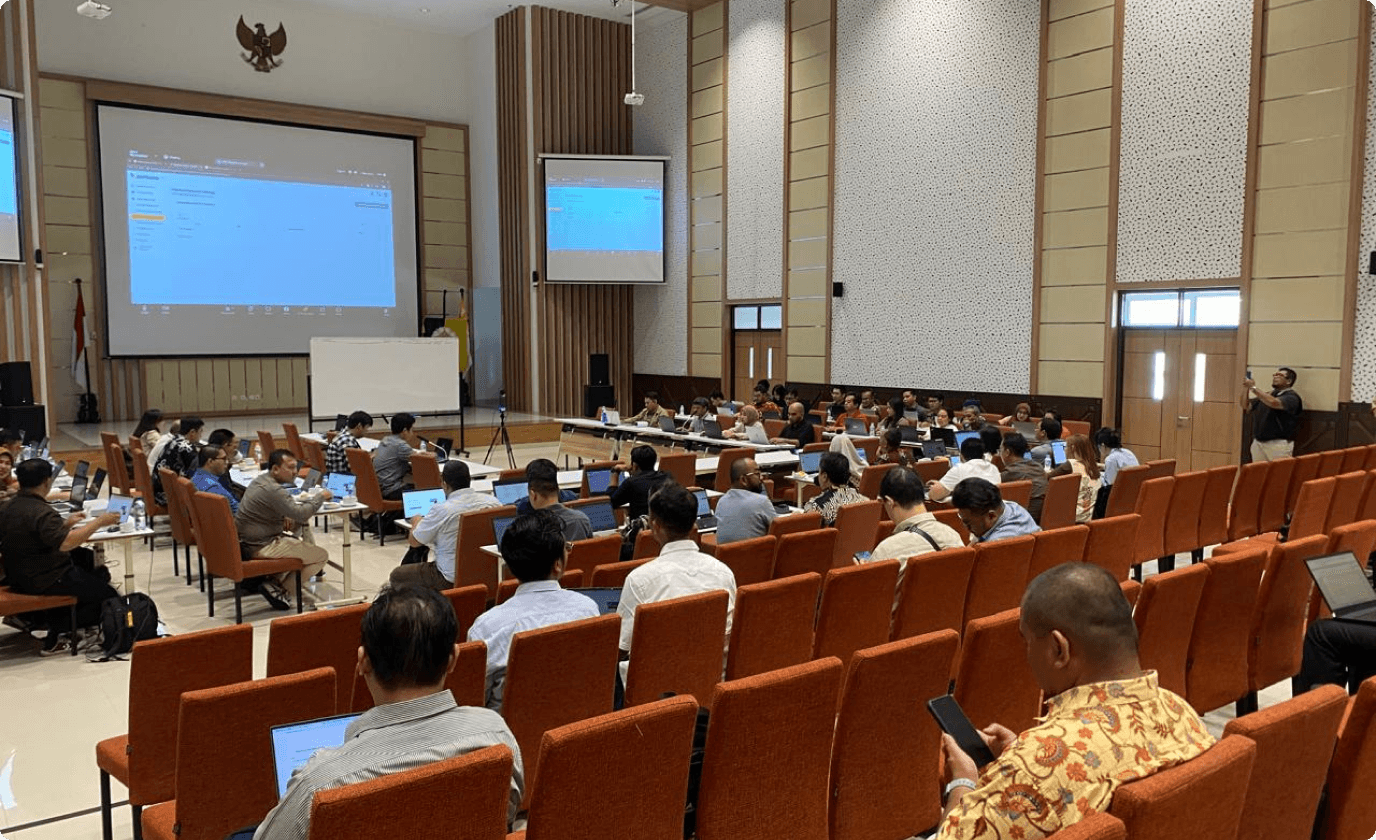
During the demo, the UI/UX Designer plays a vital role in facilitating the user experience and ensuring that stakeholders fully grasp the functionality of the MinerbaOne application. By guiding users through the demo, the UI/UX Designer highlights key features, explains design choices, and demonstrates how the interface supports user tasks.
Behind the UI/UX Team
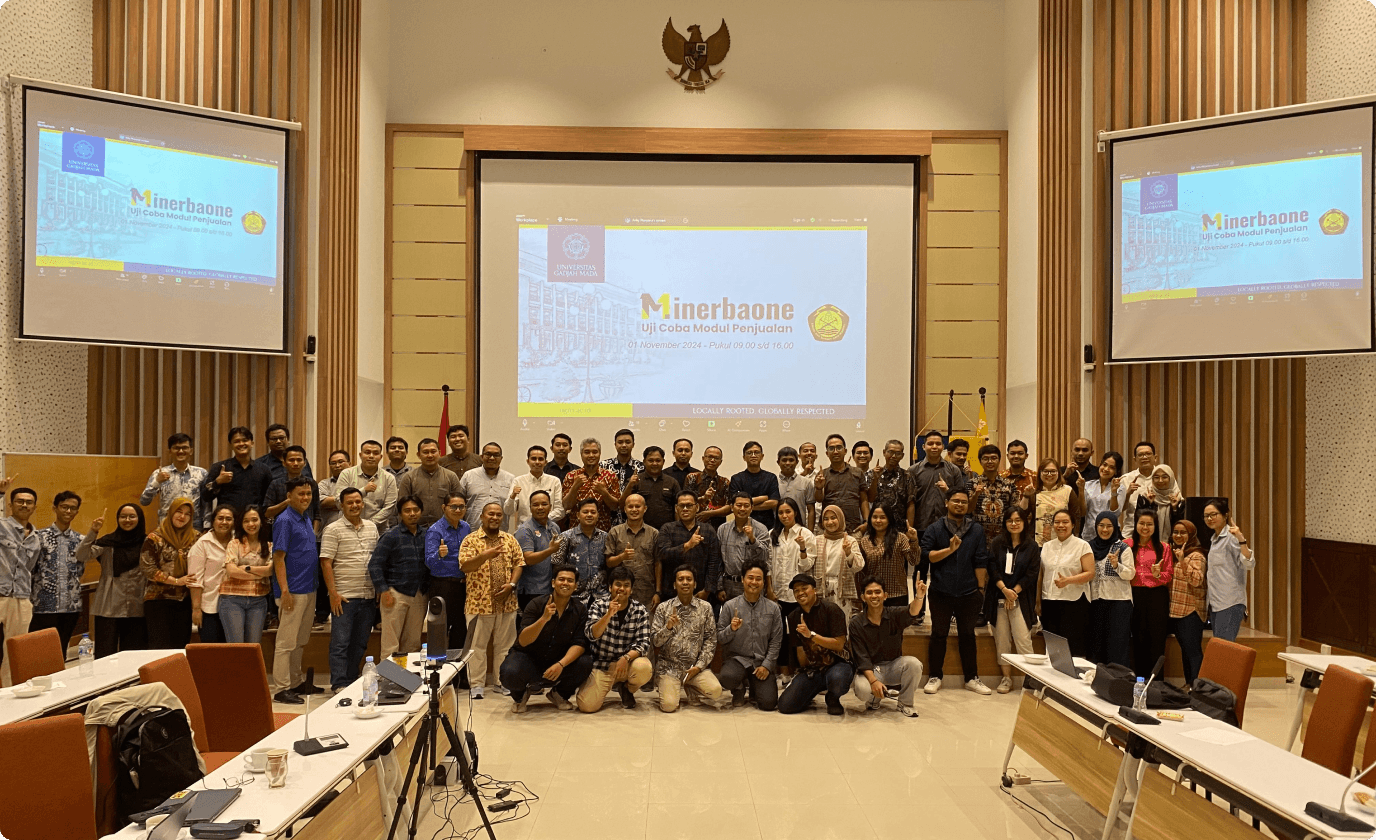
The contributions of the UI/UX team have been instrumental in the success of the Minerbaone application, and it is essential to take a moment to recognize their hard work and dedication. By conducting usability tests, gathering feedback, and iterating on designs, the UI/UX team has demonstrated a commitment to user-centered design principles that prioritize functionality and accessibility.
Thank you for scrolling!
Next Project